






Homeward Pet Blog
How to Know If Your Cat Is Sad
An article shared by our friends at Cat Topia

Cats don’t express sadness in obvious ways. Instead of crying, clinging, or acting dramatically different overnight, a sad cat often shows emotional distress through subtle changes in behavior, daily habits, and body language. These shifts can be easy to miss, especially since cats are naturally independent and tend to hide discomfort as a survival instinct.
Recognizing these signs early is important. Emotional sadness in cats doesn’t always stay emotional, when left unaddressed, ongoing stress or depression can contribute to physical health issues, weakened immune systems, and behavior problems that may require medical intervention. By learning how to spot the early warning signs of sadness, cat parents can take proactive steps to support their cat’s emotional well-being, rule out potential medical concerns, and help prevent small issues from becoming more serious ones.
Signs Your Cat May Be Sad
Cats experience emotional changes gradually, which means sadness often shows up through a collection of small shifts rather than one dramatic behavior. A single off day usually isn’t a cause for concern, but when multiple changes appear over time, it may signal emotional distress that shouldn’t be ignored.
Behavioral Changes
One of the most common ways sadness shows up in cats is through changes in everyday behavior. While a single shift may not be concerning on its own, several of these behaviors appearing together can signal emotional withdrawal:
- Hiding more than usual, spending long periods under beds, in closets, or in quiet corners
- Sleeping excessively or at unusual times, often as a way to disengage from their environment
- font-family: arial, helvetica, sans-serif; font-size: 14pt;Loss of interest in play or favorite activities, including toys, routines, or treats they once enjoyed
- Avoiding people or other pets, pulling away from interaction or affection
- Decreased curiosity, such as less window watching, exploring, or reacting to familiar sights and sounds
Changes in Appetite
Shifts in appetite are another common sign that a cat may be feeling sad or stressed. Because cats thrive on routine, changes in how or how much they eat can reflect emotional discomfort rather than simple preference:
- Eating less or skipping meals, especially when no diet changes have been made
- Overeating due to stress, using food as a form of comfort or coping
- Sudden food pickiness, refusing familiar foods they previously enjoyed
Vocalization Changes
Changes in how a cat vocalizes can offer important insight into their emotional state. While some cats are naturally quiet and others more talkative, noticeable shifts in vocal behavior may signal sadness or emotional stress:
- Less meowing than normal, especially in cats that are typically vocal
- Low, mournful, or unusual sounds that differ from their usual tone or pattern
- Excessive nighttime crying, which may be linked to anxiety, loneliness, or restlessness
Body Language & Grooming
A cat’s body language and grooming habits can reveal a great deal about how they’re feeling emotionally. Subtle physical cues often appear before more obvious behavior changes, making them important signs to watch for:
- Flattened ears, a tucked tail, or a slouched posture, which may indicate fear, stress, or emotional discomfort
- Dilated pupils without obvious stimulation, signaling ongoing anxiety or emotional overwhelm</
- Over-grooming, often a stress response that can lead to bald spots or irritated skin
- Neglected grooming or matted fur, which may reflect emotional withdrawal or lack of motivation
When Sadness Could Be Medical
Cats are experts at hiding discomfort, which means emotional sadness and medical issues can look very similar. Changes in behavior, appetite, or energy levels may stem from stress or emotional distress, but they can also be early signs of an underlying health condition. Because of this overlap, it’s important not to dismiss ongoing changes as “just mood” without paying attention to how your cat’s body is responding.
Unexplained weight loss, lethargy that doesn’t improve over time, or increased hiding paired with signs of pain, such as flinching, growling, or sensitivity to touch, can indicate a medical issue. Litter box changes, including avoidance, accidents, or changes in frequency, are also significant and should never be ignored, as they often point to discomfort or illness rather than emotional sadness alone.
When to Call the Vet
Contact your veterinarian if you notice any of the following:
- Symptoms lasting more than a few days
- Sudden or severe behavior changes
- Appetite loss combined with lethargy or visible signs of pain
When in doubt, checking with a vet is always the safest step. Ruling out medical causes protects your cat’s physical health and helps ensure that any emotional support or enrichment you provide is addressing the right problem.
How Enrichment Can Help a Sad Cat
Once medical causes have been ruled out, enrichment becomes one of the most effective ways to support a cat’s emotional well-being. Many signs of sadness, such as withdrawal, boredom, or changes in behavior, are often rooted in a lack of mental and physical stimulation. Enrichment helps re-engage a cat with their environment, giving them healthy outlets for natural behaviors like observing, climbing, playing, and exploring.
Providing consistent playtime, predictable routines, and opportunities for movement can help reduce stress and anxiety while rebuilding confidence. Vertical space, such as shelves or cat trees, allows cats to feel secure and in control of their surroundings, while observation points like windows offer ongoing mental stimulation. These simple adjustments can make a noticeable difference in mood and behavior over time.
Safe outdoor enrichment can also play a powerful role. Options like catios allow cats to experience fresh air, natural light, and outdoor sights and sounds without exposure to danger. This type of controlled outdoor access can ease boredom, support emotional balance, and help cats feel more connected to their environment, all of which are key to improving overall happiness.
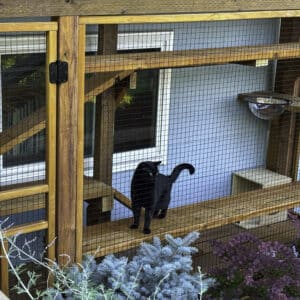
Helping Your Cat Feel Like Themselves Again
Noticing the signs of sadness in your cat is a reflection of how attentive and caring you are as a pet parent. Cats communicate their emotions quietly, and taking the time to observe changes in behavior, appetite, or body language shows a deep level of care and responsibility.
The good news is that small changes can make a meaningful difference. Simple adjustments to your cat’s environment, daily routine, and level of stimulation can help ease stress and restore emotional balance. Whether it’s more interactive play, added vertical space, or safe ways to engage with the world around them, these efforts can have a powerful impact on your cat’s overall well-being.
With patience, proper care, and thoughtful enrichment, most cats are able to regain confidence and rediscover their natural curiosity and joy. Supporting your cat emotionally is just as important as caring for their physical health, and even small steps can lead to a happier, healthier life together.

Homeward Pet Adoption Center Receives $40,000 ASPCA Grant
to Strengthen Foster Program and Save More Lives
Woodinville, WA — Homeward Pet Adoption Center is proud to announce it has received a $40,000 grant from the ASPCA (American Society for the Prevention of Cruelty to Animals) through the ASPCA National Shelter Grants Initiative.
This funding will support Homeward Pet’s foster program—an essential lifeline that allows the organization to reduce stress for animals, expand intake capacity, and provide specialized care for pets with medical and behavioral needs.
Homeward Pet embraces Fear Free Sheltering practices, intentionally limiting in-shelter housing to minimize anxiety and promote better outcomes for cats and dogs. Foster homes play a critical role in this model, providing temporary care for puppies, kittens, “bottle babies,” animals recovering from surgery, and pets who need a quieter environment to heal or decompress.
“This grant allows us to strengthen one of the most impactful parts of our lifesaving work,” said Mitra Karami, Director of Development at Homeward Pet Adoption Center. “A strong foster program helps us care for more animals, reduce length of stay, and ensure every pet receives the individualized attention they need to thrive.”
Funding from the ASPCA will help support critical coordination and support functions—such as foster volunteer onboarding, scheduling medical care, and placing animals into appropriate foster homes—ensuring the program can continue operating effectively.
In 2024 alone, Homeward Pet cared for more than 1,400 cats and dogs, with foster care playing a vital role in maintaining high live-release rates and improving animal well-being. With this investment, the organization aims not only to maintain current foster capacity but to grow the number of specialized foster homes equipped to support animals with complex medical and behavioral needs.
The ASPCA National Shelter Grants Initiative provides funding to animal welfare organizations across the country to support programs that improve animal outcomes and strengthen lifesaving infrastructure.
For more information about Homeward Pet Adoption Center or to learn how to become a foster volunteer, visit www.homewardpet.org.
About Homeward Pet Adoption Center
Founded in 1990, Homeward Pet Adoption Center is a nonprofit animal shelter located in Woodinville, Washington. Homeward Pet is committed to saving lives by providing compassionate care, promoting humane practices, and matching pets with loving forever homes.
About the ASPCA
The ASPCA (American Society for the Prevention of Cruelty to Animals®) is one of the largest animal welfare organizations in the United States, dedicated to rescuing animals, providing lifesaving resources, and advocating for humane laws and practices nationwide.
Abandoned but not Forgotten

As we close out the year, we are facing a heartbreaking reality: more pets than ever are being surrendered or abandoned because their families simply cannot afford to care for them. Rising living costs, veterinary expenses, and financial strain are pushing people into making difficult decisions – giving up their beloved companions.
At Homeward Pet, we are seeing this crisis every week. Owner surrenders are climbing. More families are reaching out for help, devastated but desperate to give their pets a chance at stability. In recent months, multiple animals have been abandoned at our shelter, found tied to our gate or left outside our doors in their kennels – because their owners saw no other option.
Although abandonment isn’t encouraged or the path we hope for, our safe surrender process exists to give pets and their families a secure and supported transition into our care.
When someone is overwhelmed, out of resources, and out of time, they look to us because what they want, more than anything, is for their pet to make it through this difficult moment and find the stable, loving future they deserve.
 Uber was found tied to a picnic table on our property with a note that read: “This is Uber. Please take care of him, he is a good boy.”
The note highlighted a heartbreaking reality: his owner was battling a terminal illness that was progressing much faster than doctors predicted. They had hoped for more time to find him a home, dreading the moment they’d have to say goodbye to their only source of support.
But with no family and no other options, they left him at the only place they trusted to care for him.
Though he arrived scared, Uber quickly found love – first in the hands of our volunteers, and then in the warmth of a foster family. But tragically, his journey took another turn. Our vet staff discovered that Uber was suffering from inoperable cancer, and we had to lead him, paw in hand, to a peace none of us wanted for him.
Uber never knew he hadn’t found a “forever” home in the traditional sense. To him, he was home. His final two months were filled with a sunny backyard, cozy spa days, and a loving foster family. He met hundreds of new friends who told him how perfect he was every single day.
His life may have been short, but he changed ours forever.
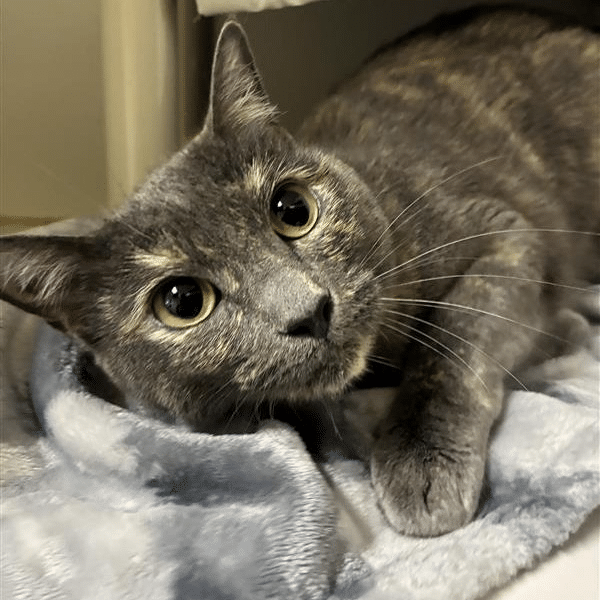 Chickpea was also abandoned.
When her family packed up and moved away, they left her behind in the only neighborhood she had ever known. She spent countless days searching for the familiar faces and the loving hands she remembered.
While she didn’t find her previous family, fate led her to a different kind of miracle.
She found herself in the yard of a kind-hearted Good Samaritan. While this person couldn’t keep her, they knew where to go. They placed Chickpea in a carrier and left her safely outside Homeward Pet’s gates just before dawn. Attached to the carrier was a handwritten note—a sincere plea for help: “I’m sorry to just drop her off but I didn’t know what to do. Please help her find a good home.”
Initially, Chickpea was terrified, cowering in the corner of the carrier, unsure if this was just another heartache. But as she was handled with gentleness and warmth, she slowly began to understand: she was safe.
We coordinated with our local animal care agency to care for her during her mandated stray hold.
Because of caring people like you, we were able to give Chickpea everything she needed during her stay with us: medical care, a warm bed, and a promise that she would never be alone again. After the required stray hold, we officially put Chickpea up for adoption.
And despite her shaky, lonely beginnings, Chickpea’s story has the happiest ending: she found a lovely, forever home.
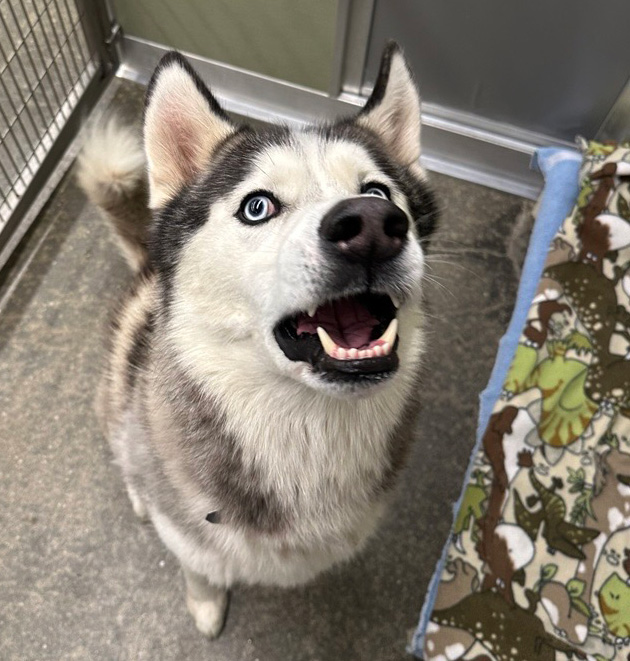 Left behind without explanation, Echo has been having a particularly hard time adjusting to life at the shelter.
Abandonment is confusing for any animal, but for Echo, the transition has seemed especially heartbreaking. He cries for hours, unsure why everything he knew is no longer. His world changed overnight, and all he can do is call out for people who are no longer there.
Our behavior team is working closely with him – sitting quietly near his kennel, offering gentle reassurance, and helping him build small moments of safety. They’re teaching him that he’s not alone, that hands can be kind, and that, even though this chapter began in fear, it won’t end that way.
With time, patience, and the right support, Echo will learn to trust again.
And with your help, he’ll have the chance to move from confusion and heartbreak toward healing and hope.
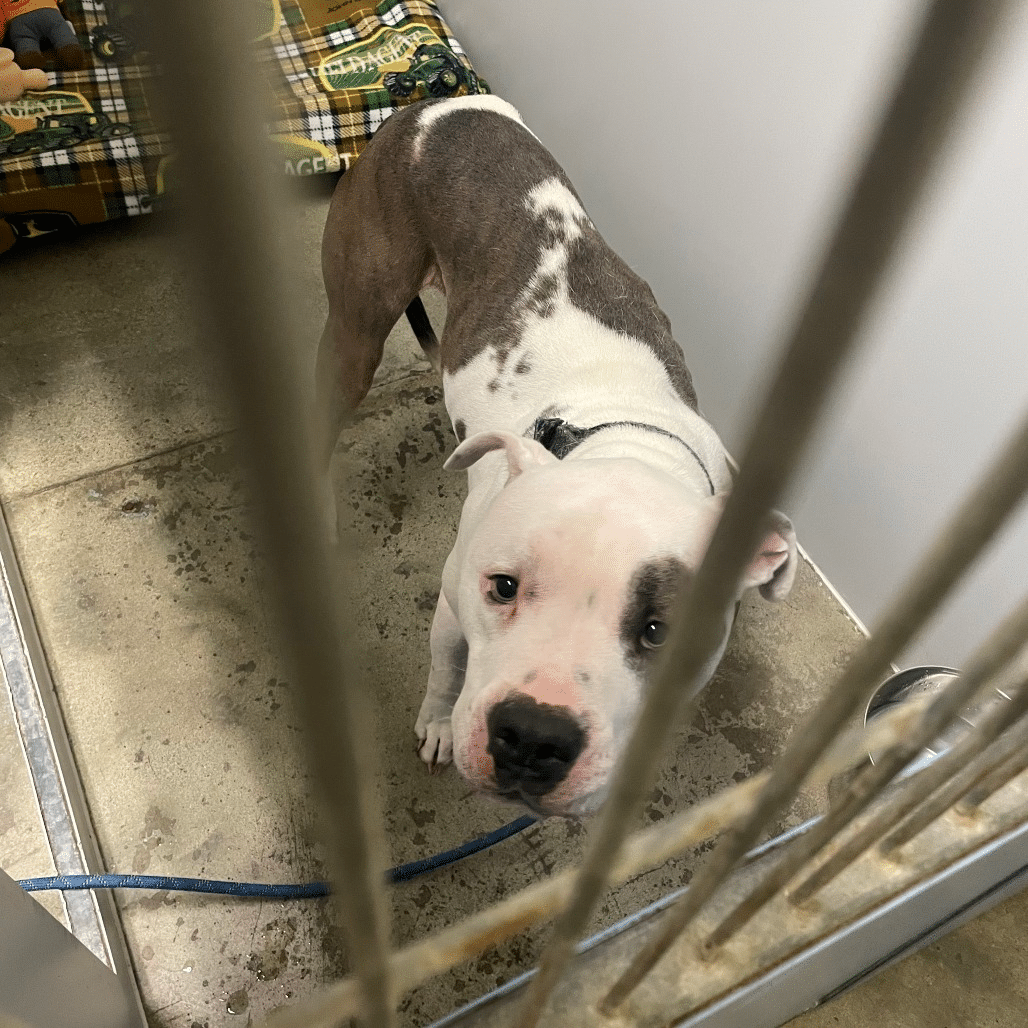 Recently, a staff member arriving early in the morning for their shift found Rockefeller alone in a crate left outside our gate.
He was scared, extremely anxious, and he was in bad shape – painfully underweight, dehydrated, and suffering from severe diarrhea. We later learned he was fighting an uncomfortable parasite called Coccidia on top of everything else.
We let the local animal control agency know we had him and accepted responsibility for handling his mandatory stray hold and began treatment immediately. He received anti-parasitic medications, anti-nausea support, hydration, and a behavior medication plan designed to help him feel safe and calm as he healed.
Slowly, Rockefeller is improving. He’s steadily gaining weight, his system is stabilizing. He has moments where he lets his guard down, allowing a glimpse of the friendly, goofy dog hidden beneath the fear.
But his fight is far from over.
Rockefeller still requires dedicated medical oversight, patient and consistent behavioral rehabilitation, and above all, time to heal – a gift he may not have received if he hadn’t landed on our doorstep.
This holiday season, your compassion can be the lifeline that guides pets from fear to healing on their journey home.
Because of your generosity, every animal who comes to Homeward Pet (whatever their story) will be welcomed with care, dignity, and a real chance to begin again.
Please help us continue saying yes to the animals who have nowhere else to turn.
All donations received by Dec. 31st will be matched dollar for dollar
up to $100,000 thanks to a generous matching opportunity!
Don’t wait, give the gift of hope this holiday season.
Community Events

Homeward Pet is fortunate to have so many wonderful community partners. There’s always something fun to do in our backyard, so check back often and support our partners while helping care for our homeless dogs and cats.
| Logo | Event Name |
Date/Time | Info |
 |
Pizza Coop 10 Year Anniversary Benefiting Homeward Pet Adoption Center Pizza Coop, 13317 NE 175th St #X, Woodinville, WA 98072 |
Friday, December 5, 11 am-10 pm |
To commemorate 10 incredible years, The Pizza Coop & Ale House is throwing it back to our roots!
When we first opened, we celebrated our grand opening by choosing a different local charity to support each day — and we’re doing it again! 🙌 🍕 Join us December 5th as we give back to the community that’s supported us from the start. 20% of the sales from the day will be donated to Homeward Pet Adoption Center Come enjoy your Coop favorites and help us make a difference right here in Woodinville! ❤️ Check us out on the 6th and 7th as we benefit other community organizations. |
If you are planning an event that will benefit Homeward Pet, please contact or to coordinate any participation you might need from us.
Entries by Month
- February 2026
- January 2026
- December 2025
- October 2025
- August 2025
- July 2025
- June 2025
- May 2025
- March 2025
- January 2025
- December 2024
- November 2024
- October 2024
- July 2024
- January 2024
- November 2023
- October 2023
- July 2023
- June 2023
- February 2023
- January 2023
- November 2022
- September 2022
- August 2022
- May 2022
- February 2022
- November 2021
- October 2021
- August 2021
- July 2021
- June 2021
- May 2021
- April 2021
- March 2021
- February 2021
- December 2020
- November 2020
- October 2020
- September 2020
- July 2020
- June 2020
- May 2020
- April 2020
- March 2020
- February 2020
- January 2020
- December 2019
- November 2019
- October 2019
- September 2019
- August 2019
- July 2019
- June 2019
- May 2019
- March 2019
- January 2019
- December 2018
- November 2018
- October 2018
- September 2018
- August 2018
- July 2018
- June 2018
- May 2018
- April 2018
- March 2018
- February 2018
- January 2018
- December 2017
- November 2017
- October 2017
- September 2017
- August 2017
- July 2017
- June 2017
- May 2017
- April 2017
- March 2017
- February 2017
- January 2017
- December 2016
- November 2016
- October 2016
- September 2016
- August 2016
- July 2016
- June 2016
- May 2016
- April 2016
- March 2016
- February 2016
- January 2016
- December 2015
- November 2015
- October 2015
- September 2015
- August 2015
- July 2015
- June 2015
- May 2015
- April 2015
- March 2015
- February 2015
- January 2015
- December 2014
- November 2014
Phone:
Our Address:
Tax ID#:
Mon-Sun, 12:00pm - 2:30pm and 3:30pm - 5:00pm
425.488.4444
P.O. Box 2293
13132 NE 177th Place
Woodinville, WA 98072
91-1526803



